Anise
1 entry found.
Anise
Common Name: Anise
Botanical Name: Pimpinella anisum (pim-pi-NEL-ah AN-is-um)
Decorative Life:
Post Harvest Care:
- Remove bottom leaves if present, recut stems under water and place into a fresh flower food solution.
Family Roots:
- Member of the Apiaceae or Umbelliferae (parsley family).
- Native from Greece to Egypt.
- Common relatives include Queen-Anne's-lace, parsley, dill and fennel.
Personality:
- Species is classed as a dicotyledon, leaves not parallel veined.
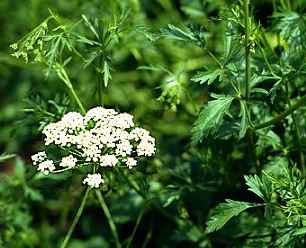
- Flowers tiny, in flat-topped clusters at stem ends.
- Stems to 18 inches, leaves divided into toothed lobes.
- Flowers have no fragrance but foliage does.
Availability: Late summer - fall.
Flower Color: White or yellowish-white.
Storage Specifics: Specific data was not located but it is likely that this species can be stored in the mid 30s F.
Tidbits:
- This relative of the carrot has been used as a culinary and medicinal herb since ancient times. The specific epithet name anisum means anise smelling.
- The Romans used it’s seeds to flavor a traditional after-dinner cake said to be the forerunner of today’s spiced wedding cake.
- Name possibly from the Latin "bipinnula" meaning two-winged or bipinnate. Bipinnate refers to the feather-like leaf configuration.
- Plants of this family often exhibit strong or pungent odors, many are grown for food, flavoring and medicinal reasons while some are also grown for ornamental purposes.